Gaming Companies Embrace Generative AI at Record Pace, Yet Governance Trails Far Behind: UNLV's Eye-Opening Report
Rafael Baumann · Apr 13, 2026

Gaming Companies Embrace Generative AI at Record Pace, Yet Governance Trails Far Behind: UNLV's Eye-Opening Report
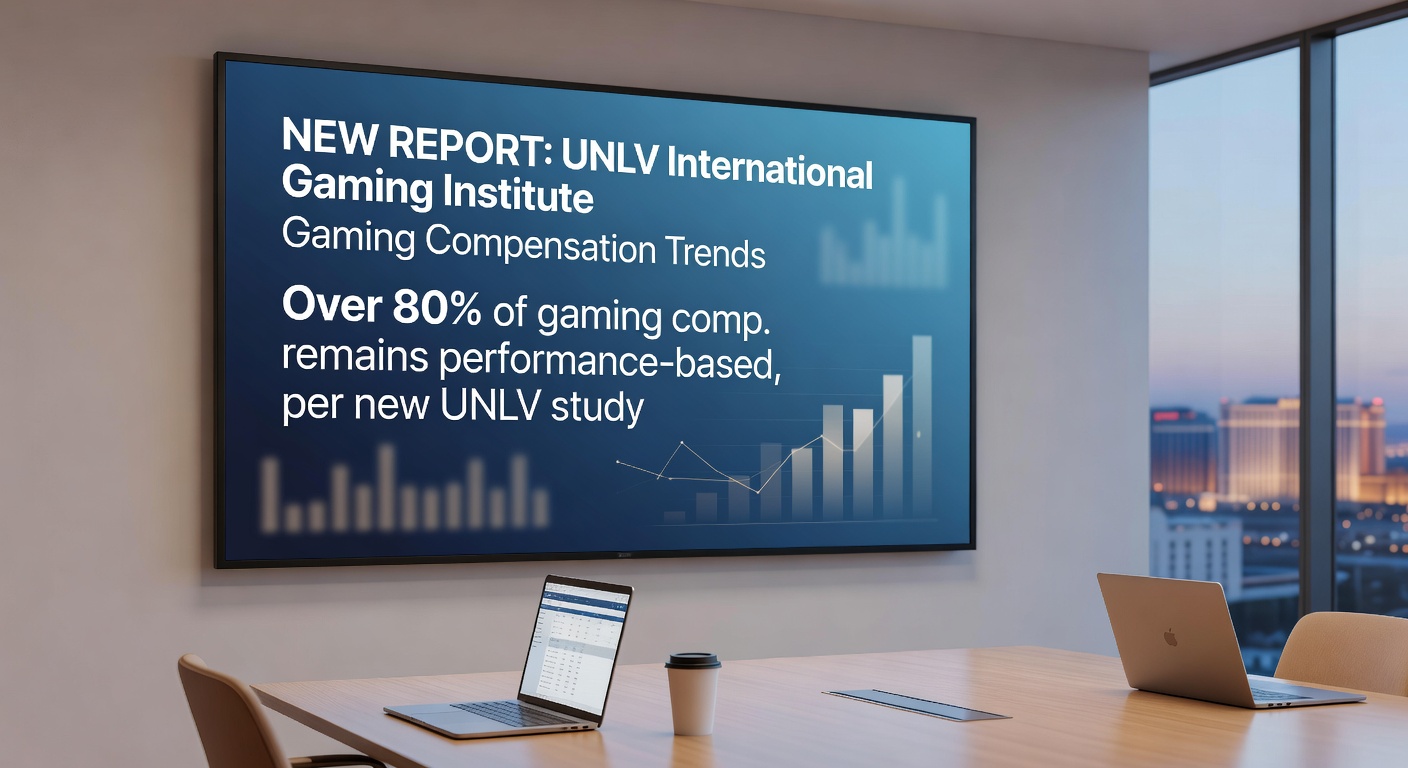
A fresh report from the UNLV International Gaming Institute paints a stark picture of the gaming industry's AI landscape, where over 80% of companies already deploy generative AI tools, but most operate without dedicated teams or solid governance plans to manage them; this leads to an average AI management maturity score of just 30 out of 100, signaling widespread vulnerabilities in oversight and risk handling.
The Study Behind the Numbers
Researchers at UNLV, partnering closely with KPMG, surveyed 83 gambling companies alongside 113 regulators from around the world, creating what amounts to the industry's first comprehensive snapshot of AI integration; this inaugural State of AI in Gaming report not only uncovers current practices but also sets a baseline for annual tracking moving forward, potentially into benchmarks for April 2026 and beyond as adoption accelerates.
What's interesting here is how the data breaks down adoption versus preparedness, with generative AI—think tools like ChatGPT or image generators—popping up in everything from customer service chatbots to personalized game recommendations, yet companies scoring so low on maturity metrics that experts see red flags everywhere; observers note that without structured approaches, risks like biased algorithms or data breaches loom large in an industry already under intense scrutiny for fairness and player protection.
Take the survey respondents: gaming firms reported heavy reliance on these technologies for operational efficiencies, but when probed on governance, the picture dims quickly—few have cross-functional teams dedicated to AI ethics, policy enforcement, or compliance auditing, which drags down those overall scores and highlights a disconnect between enthusiasm for innovation and the nuts-and-bolts of safe deployment.
Gaps in Oversight and Responsible Practices
Regulators, those 113 voices from global jurisdictions, expressed particular concern over limited visibility into how AI shapes gaming operations, from slot machine optimizations to fraud detection systems; the report reveals that while companies push boundaries with AI-driven personalization—which can boost engagement but also nudge toward problem gambling—transparency remains elusive, leaving watchdogs in the dark about algorithmic decision-making processes.
And here's where it gets interesting: responsible AI practices, encompassing bias mitigation, data privacy safeguards, and explainability features, score dismally across the board, with the average maturity hovering at that telling 30/100 mark; researchers discovered that although over four-fifths of firms use generative AI, structured governance frameworks are rare, meaning many deploy these tools reactively rather than through vetted, monitored pipelines.
One case from the findings stands out, where a surveyed operator admitted to AI use in marketing campaigns without formal audits, illustrating how speed trumps strategy in the rush to leverage tech advantages; such examples underscore broader patterns, as data indicates that without dedicated teams—often comprising data scientists, legal experts, and ethicists—companies risk regulatory backlash or operational pitfalls down the line.
Breaking Down the Maturity Score
That 30 out of 100 doesn't emerge from thin air; UNLV's framework assesses maturity across key pillars like strategy alignment, organizational readiness, technical infrastructure, and ethical deployment, revealing lopsided progress where technical adoption outpaces everything else; figures show generative AI leading the charge at over 80% penetration, but governance components—think policies for AI risk assessment or vendor management—barely register, pulling the composite down sharply.
Companies often find themselves in a bind, rolling out AI for competitive edges like dynamic odds adjustments or virtual dealer enhancements, yet skimping on the back-end structures that ensure fairness; regulators, in turn, call for better collaboration, as their surveys highlight frustrations with opaque AI black boxes that influence player experiences without clear accountability trails.
Turns out, the partnership between UNLV and KPMG brings rigorous methodology to the table—structured questionnaires, anonymized responses, global reach—lending credibility to claims that this baseline will evolve yearly, tracking whether scores climb as awareness grows or if gaps widen amid faster tech rollouts.
Implications for Industry and Regulators
So, with 83 companies laying bare their AI habits and 113 regulators weighing in on oversight needs, the report spotlights a pivotal moment for gaming, where innovation races ahead but guardrails lag; experts who've pored over the data observe that without proactive shifts—like forming those missing teams or crafting governance playbooks—firms expose themselves to fines, reputational hits, or worse, systemic failures in player safeguards.
People in the field often discover that AI's double-edged nature shines through here: generative tools streamline operations, cutting costs on content creation or analytics, but absent maturity, they amplify risks like discriminatory targeting or manipulated outcomes; the reality is, as this study establishes its annual cadence, stakeholders now have a yardstick, one that could pressure laggards to catch up before April 2026 rolls around with heightened expectations.
Regulators, for their part, push for visibility mandates, with survey responses indicating desires for standardized reporting on AI models in use; companies that prioritize this—building out teams and plans—stand to gain trust, while others risk falling behind in an increasingly AI-saturated market where the writing's on the wall for responsible adoption.
One researcher involved noted patterns reminiscent of early fintech AI rushes, where initial enthusiasm gave way to mandatory compliance after breaches; although gaming differs with its regulated core, parallels emerge in how unchecked tools could erode public confidence if maturity doesn't improve swiftly.
Looking Ahead: Annual Tracking Takes Shape
Now, as the State of AI in Gaming report launches its yearly vigil, it promises to chart progress or pitfalls, benchmarking that 30/100 average against future surveys and flagging emerging risks like advanced agentic AI or multimodal models; UNLV's International Gaming Institute positions this as essential infrastructure for an industry at a tech crossroads, where over 80% adoption meets governance shortfalls head-on.
Those who've studied similar sectors know the drill: baselines like this spark action, prompting boardroom discussions on AI literacy training or third-party audits; with KPMG's audit prowess backing the effort, credibility runs deep, ensuring the data resonates from Las Vegas boardrooms to Macau compliance offices.
Conclusion
The UNLV-KPMG collaboration delivers a wake-up call through hard numbers—80% generative AI use clashing with 30/100 maturity—exposing gaps in teams, governance, and regulator sightlines that demand attention; as this inaugural report kicks off annual monitoring, gaming companies face clear choices, bolstering structures to match their tech zeal or navigating rising risks in a landscape that's anything but forgiving; observers watch closely, knowing that bridging these divides could define the industry's next chapter, especially with milestones like April 2026 on the horizon for measurable strides.